Loch Ness is a large freshwater lake located in the Scottish Highlands, approximately 23 miles (37 kilometers) southwest of Inverness, Scotland. It is one of the most famous and iconic bodies of water in the world, largely due to the legend of the Loch Ness Monster, also known as "Nessie."
Key characteristics of Loch Ness include:
Size: Loch Ness is the second-largest Scottish loch by surface area, covering around 21.8 square miles (56.4 square kilometers). It is also one of the deepest lochs, with a maximum depth of about 755 feet (230 meters).
Landscape: The lake is nestled within a picturesque and dramatic landscape, surrounded by lush green hills and mountains. The Great Glen Fault, a geological fault line that stretches across Scotland, created the long, narrow shape of the loch.
Water quality: The water in Loch Ness is relatively cold and murky, due to the presence of peat particles and minerals. This characteristic has contributed to the difficulty of conducting extensive scientific research and exploration of its depths.
Loch Ness Monster: The most famous aspect of Loch Ness is the legend of the Loch Ness Monster. For centuries, there have been reported sightings of a mysterious creature lurking in the depths of the lake. Although there is no concrete evidence to support the existence of Nessie, the legend has captured the imaginations of people worldwide and has made Loch Ness a popular tourist destination.
Tourism: Loch Ness attracts millions of visitors each year, drawn by the allure of the monster mystery, stunning scenery, and various recreational activities such as boating, fishing, and hiking. The surrounding area offers numerous viewpoints and attractions, including Urquhart Castle, a historic castle situated on the loch's western shore.
Wildlife: Beyond the mythical monster, Loch Ness is home to various wildlife, including different fish species, birds, and other aquatic creatures. The surrounding natural habitats support a diverse ecosystem.
In summary, Loch Ness is not only a geographical landmark but also an iconic cultural phenomenon, known and celebrated around the world, making it an essential part of Scotland's history and allure for tourists and locals alike.










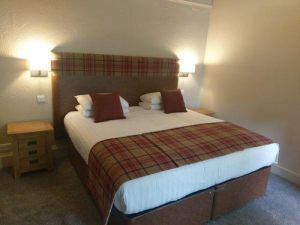



Loch Ness is a large, deep, freshwater lake located in the Scottish Highlands, known for its legendary folklore and, in particular, the mythical creature often referred to as the "Loch Ness Monster" or "Nessie." The loch is the second-largest lake in Scotland by surface area and holds the most water of any lake in the British Isles.
Physical Characteristics:
- Location: Loch Ness stretches approximately 37 kilometers (23 miles) southwest to northeast in the Great Glen, a geological fault line that runs across the Scottish Highlands.
- Depth: It is exceptionally deep, reaching depths of up to 230 meters (755 feet). In fact, it is one of the deepest freshwater lakes in the world.
- Surroundings: The loch is surrounded by scenic landscapes, including rolling hills and mountains, giving it a dramatic and picturesque setting.
Folklore and the Loch Ness Monster:
- Nessie: Loch Ness gained worldwide fame due to the stories and legends surrounding the Loch Ness Monster, a creature said to inhabit its waters. The monster is often described as a large, long-necked, aquatic animal, similar to a plesiosaur or a sea serpent, although there is no scientific evidence to support its existence. Sightings and alleged encounters with Nessie have captured the public's imagination for decades, making Loch Ness a popular tourist destination.
History and Culture:
- Forts and Castles: The area around Loch Ness has a rich history, and there are several historic castles and forts scattered along its shores. For example, Urquhart Castle, situated on the northwestern shore, is one of the most well-known and frequently visited castles in Scotland, offering stunning views of the loch.
- Jacobite History: Loch Ness played a role in the Jacobite uprisings of the 18th century, with the final battle of the 1745 Jacobite Rising taking place nearby at Culloden Moor.
Tourism and Activities:
- Cruises and Boat Tours: Tourists often take boat cruises and tours on Loch Ness to enjoy the scenery and the possibility of catching a glimpse of Nessie. Various tour operators offer trips to explore the loch and its surroundings.
- Wildlife and Nature: Loch Ness is not only famous for its mythical creature but also for its natural beauty and wildlife. The surrounding area provides opportunities for hiking, birdwatching, and enjoying the Scottish countryside.
Overall, Loch Ness is not only a stunning natural wonder but also a place shrouded in mystery and legend. Its captivating folklore and unique allure continue to draw visitors from around the world, making it one of Scotland's most iconic and enigmatic destinations.
- Fort Augustus
- Drumnadrochit
- Foyers
- Dores
- Invermoriston
- Whitebridge
- Abrichanan
- Inverfargaig
- Lochend
- Torness
- Lochgarthside
- Loch Ness View Point
- Loch Ness View
- Nessieland
- Loch Ness Centre
- Loch Ness
- Loch Ness Resort
- Loch Ness Titles
- Burtoit
- Loch Ness Lodges
The Highlands
The Highlands surrounding Loch Ness are known for their rugged beauty, with sweeping landscapes of mountains, forests, and glens. This region is steeped in history and culture, offering visitors a deep connection to Scotland’s ancient past and a chance to experience the wild, untamed beauty of the Scottish countryside. The Highlands are a gateway to exploring Loch Ness and its many attractions.
Fort Augustus
Fort Augustus is a charming village located at the southern tip of Loch Ness. The village is known for its picturesque setting along the Caledonian Canal, with a series of locks that attract visitors to watch boats navigate between the loch and the canal. Fort Augustus offers scenic views of Loch Ness, as well as a range of shops, cafes, and accommodations. It’s a popular spot for tourists, especially those interested in exploring the loch by boat.
Drumnadrochit
Drumnadrochit is a well-known village on the western shore of Loch Ness, famous for its association with the Loch Ness Monster. The village is home to several exhibitions and museums dedicated to Nessie, including Nessieland and the Loch Ness Centre. Drumnadrochit is also a great base for exploring Urquhart Castle, which offers stunning views of the loch. The village has a welcoming atmosphere, with plenty of accommodations, restaurants, and shops.
Foyers
Foyers is a small, tranquil village located on the eastern shore of Loch Ness, best known for the spectacular Falls of Foyers. These waterfalls cascade dramatically down into the loch, surrounded by lush forests. Foyers offers a peaceful retreat with scenic walking trails and stunning views of Loch Ness. The village is less touristy than others, making it a great spot for those seeking solitude and nature.
Dores
Dores is a small village situated at the northern end of Loch Ness, near Inverness. It is famous for its long pebble beach that offers some of the best panoramic views of the loch. Dores is also known for the Dores Inn, a popular spot for locals and visitors to enjoy a meal or drink while taking in the scenery. The village is a starting point for various walking trails along the loch’s shore.
Invermoriston
Invermoriston is a quaint village located where the River Moriston flows into Loch Ness. The village is known for its old stone bridge, built by Thomas Telford, and the scenic surroundings that make it a popular stop along the Great Glen Way. Invermoriston offers beautiful riverside walks, including paths to the cascading Invermoriston Falls, and is a peaceful spot to enjoy the natural beauty of the Highlands.
Whitebridge
Whitebridge is a small hamlet located south of Loch Ness, named after an old bridge built in the 18th century that still stands today. The area around Whitebridge is known for its scenic beauty, with rolling hills, forests, and open moorland. It’s a quiet, rural area that offers a true escape into the natural world of the Highlands, with opportunities for hiking, wildlife spotting, and exploring the surrounding countryside.
Abrichan
Abrichan is a small, remote hamlet located on the western side of Loch Ness. The village is surrounded by forests and hills, offering a secluded and peaceful environment. It’s a perfect place for those looking to escape the crowds and experience the solitude of the Highlands. The area around Abrichan is rich in archaeological sites, including ancient burial cairns and stone circles, reflecting its long history.
Inverfarigaig
Inverfarigaig is a tiny village nestled on the eastern shore of Loch Ness. The village is located near the base of the steep hills that rise from the loch, offering dramatic views and a sense of seclusion. Inverfarigaig is close to the Falls of Foyers and offers access to several walking trails that explore the surrounding forests and hills. The area is perfect for nature lovers and those seeking tranquility.
Lochend
Lochend is a small settlement located at the northern tip of Loch Ness, close to the city of Inverness. It’s a gateway to the loch and offers easy access to both the city’s amenities and the scenic beauty of Loch Ness. Lochend is known for its peaceful atmosphere and serves as a starting point for exploring the loch’s northern shore.
Torness
Torness is a remote hamlet located near the eastern shore of Loch Ness. It is surrounded by the rugged beauty of the Highlands, with rolling hills and forests providing a dramatic backdrop. Torness is a quiet and secluded spot, ideal for those looking to escape the hustle and bustle of more touristy areas. The area offers opportunities for hiking, wildlife watching, and experiencing the serene beauty of Loch Ness.
Lochgarthside
Lochgarthside is a small and tranquil area located along the shores of Loch Ness. It’s known for its natural beauty, with lush green landscapes and scenic views of the loch. This area is less developed, offering a peaceful retreat for those looking to enjoy the tranquility of the Highlands and the stunning scenery of Loch Ness.
Loch Ness View Point
The Loch Ness View Point refers to various spots around the loch that offer breathtaking panoramic views of the water and surrounding landscape. These viewpoints are popular with tourists, providing ideal locations for photography and taking in the vast expanse of Loch Ness. Some of the best views can be found along the A82 road, which runs along the western shore of the loch.
Loch Ness View
Loch Ness View is likely referring to specific areas or accommodations that offer stunning vistas of Loch Ness. Many hotels, guesthouses, and cottages around the loch boast exceptional views, allowing visitors to wake up to the sight of the loch’s dark, mysterious waters and the surrounding hills. These locations are sought after by those looking to fully immerse themselves in the beauty of the area.
Nessieland
Nessieland is a family-friendly attraction located in Drumnadrochit, dedicated to the legend of the Loch Ness Monster. It features exhibitions, interactive displays, and activities that explore the history and mystery of Nessie. Nessieland is a fun and educational stop for families and anyone interested in the folklore of Loch Ness, offering a lighthearted take on the enduring mystery of the monster.
Loch Ness Centre
The Loch Ness Centre, also located in Drumnadrochit, is a more scientific and historical exploration of the Loch Ness Monster phenomenon. The center features exhibits on the geological history of Loch Ness, the scientific investigations into the Nessie sightings, and the cultural impact of the legend. It’s an informative destination for visitors looking to learn more about the loch and its famous resident.
Loch Ness
Loch Ness itself is the centerpiece of this region, known worldwide for its deep, dark waters and the legend of the Loch Ness Monster. Stretching 23 miles through the Great Glen, the loch is surrounded by dramatic Highland scenery, including rolling hills, dense forests, and ancient ruins. Whether you're visiting for the mystery of Nessie, the stunning landscapes, or the rich history, Loch Ness offers a unique and captivating experience in the heart of the Scottish Highlands.
Loch Ness is one of the most famous and iconic lakes in Scotland, known worldwide for its mysterious legend and stunning natural beauty. Located in the Scottish Highlands, Loch Ness stretches for about 23 miles (37 kilometers) southwest of Inverness, making it one of the largest and deepest freshwater lochs in the British Isles.
Geography and Scenery
Loch Ness is a long, narrow, and deep glacial loch, with its dark waters reaching depths of over 700 feet (213 meters) in some areas. The loch is surrounded by rolling hills, dense forests, and rocky cliffs, creating a dramatic and picturesque landscape. The loch’s waters are famously dark and murky, due to its high peat content, adding to its mysterious and eerie atmosphere.
The Legend of the Loch Ness Monster
Loch Ness is perhaps most famous for the legend of the Loch Ness Monster, affectionately known as "Nessie." This mythical creature is said to inhabit the depths of the loch, with numerous sightings reported over the years. The legend dates back to ancient times, but it gained international attention in the 20th century, turning Loch Ness into a major tourist attraction. While the existence of Nessie remains unproven, the legend continues to intrigue visitors from around the world.
Historical and Cultural Significance
The area around Loch Ness is rich in history and culture. The ruins of Urquhart Castle, located on the western shore of the loch, are one of Scotland’s most iconic landmarks. The castle dates back to the 13th century and offers stunning views of the loch and surrounding landscape. The region is also dotted with ancient sites, including Pictish stones and burial cairns, reflecting the area’s long and storied past.
Outdoor Activities
Loch Ness is a popular destination for outdoor enthusiasts. The loch itself is ideal for boating, with several cruises and boat tours available that offer visitors a chance to explore its waters and enjoy the scenic views. Fishing is also popular, with the loch home to species like brown trout, salmon, and pike. The surrounding area offers numerous hiking and cycling trails, including the Great Glen Way, which follows the loch’s length and provides breathtaking views of the Highlands.
Nearby Towns and Attractions
Several towns and villages are located near Loch Ness, each offering unique attractions and a welcoming atmosphere. The town of Drumnadrochit, on the western shore, is a hub for Nessie enthusiasts, with several exhibitions and museums dedicated to the Loch Ness Monster. Inverness, the capital of the Highlands, lies to the northeast and serves as the gateway to the loch, offering a range of accommodations, shops, and cultural sites.
Atmosphere
Loch Ness has a mystical and captivating atmosphere, with its dark waters, steeped in legend, contrasting with the serene and majestic landscape of the Highlands. Whether drawn by the legend of Nessie, the rich history, or the natural beauty, visitors to Loch Ness find themselves immersed in a place that feels both timeless and otherworldly.

Best Western Inverness
The Best Western Inverness Palace Hotel & Spa is a historic hotel located along the banks of the River Ness, offering picturesque views of Inverness Castle and the river. Housed in a Victorian mansion, the hotel combines traditional charm with modern amenities. It features an on-site spa with a pool, sauna, and fitness center, making it a perfect retreat for relaxation. The hotel also has a stylish restaurant and bar, serving a mix of local and international cuisine. Its central location.
Show More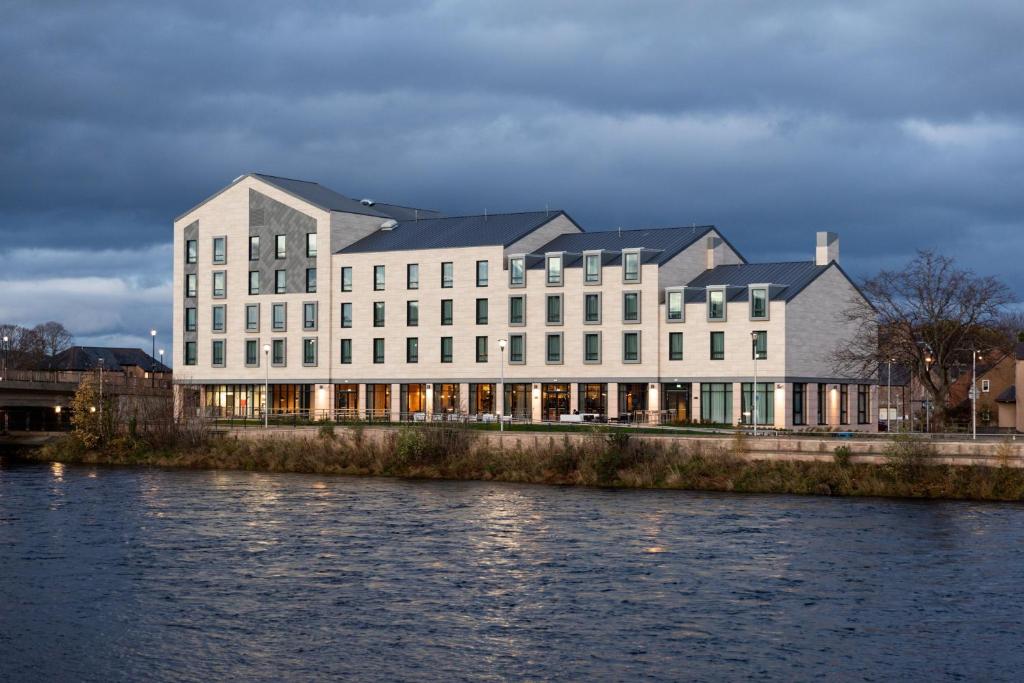
AC Hotel by Marriott Inverness
The AC Hotel by Marriott Inverness is a contemporary, upscale hotel situated near the River Ness and just a short walk from the city center. Known for its sleek and modern design, the hotel offers comfortable rooms with minimalist decor, featuring high-quality furnishings and modern amenities. The hotel has a stylish AC Lounge, which serves European-inspired dishes and craft cocktails, making it a great place to unwind. The location provides easy access to Inverness’s main attractions,
Show More
Holiday Inn Express Inverness
The Holiday Inn Express Inverness is a budget-friendly, modern hotel located on the outskirts of Inverness, offering easy access to the A9 road and Inverness Airport. The hotel is known for its comfortable, no-frills accommodations, making it an ideal choice for travelers looking for convenience and value. Guests can enjoy a complimentary breakfast buffet, free Wi-Fi, and a relaxed bar area. While it’s slightly outside the city center, the hotel is well-suited for those traveling by car and offers free parking.
Show More
Kingsmills Hotel
The Kingsmills Hotel is a luxury hotel set in a historic 18th-century building surrounded by beautiful gardens, just a short drive from Inverness city center. The hotel combines traditional elegance with modern comfort, offering spacious rooms, many with views of the gardens. It features a spa with an indoor pool, a sauna, and a fitness center, as well as two restaurants serving gourmet Scottish cuisine. The Kingsmills Hotel is known for its warm hospitality and tranquil setting, making it a popular choice for both leisure and business travellers.
Show More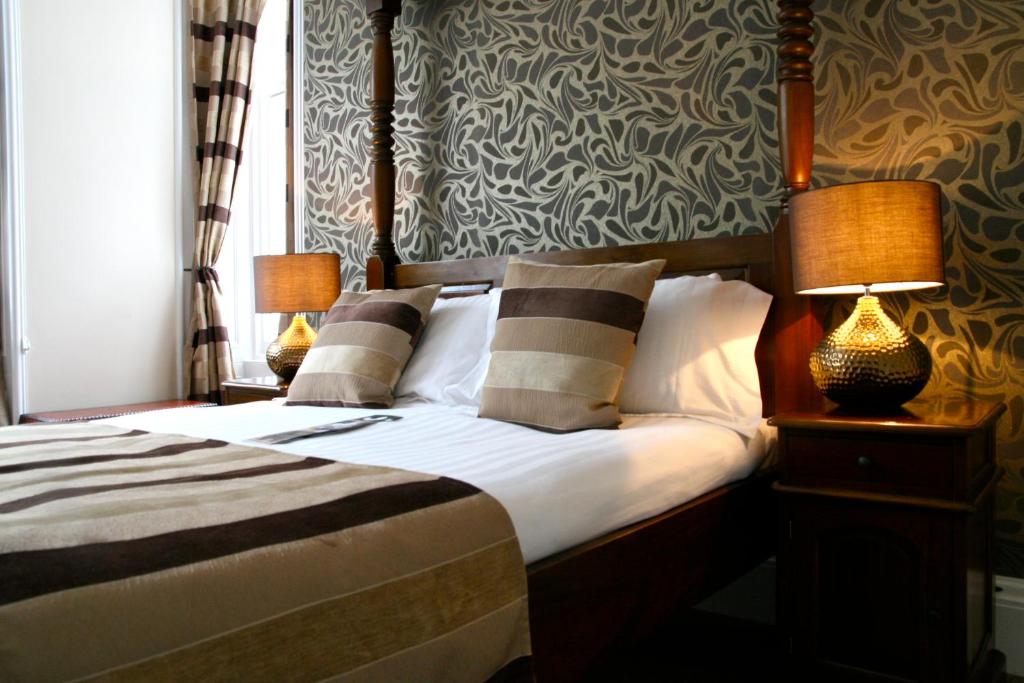
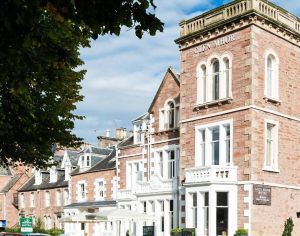
Glen Mhor Hotel
The Glen Mhor Hotel is a charming hotel located on the banks of the River Ness, comprising a collection of Victorian townhouses. The hotel offers a range of individually styled rooms, some with river views and others in self-catering apartments. It has a cozy and intimate atmosphere, with traditional decor and a welcoming vibe. The hotel’s restaurant, Nicky Tam’s, serves hearty Scottish dishes and is popular with both locals and guests. Its central location is ideal for exploring Inverness, with many attractions just a short walk away.
Show More
The Kings Highway Wetherspoon
The Kings Highway Wetherspoons is a budget-friendly hotel and pub located in the heart of Inverness. Part of the Wetherspoons chain, it offers simple, comfortable accommodations with modern amenities at an affordable price. The on-site pub serves a wide range of food and drinks, including classic British pub fare and a variety of ales and spirits. The hotel’s central location makes it a convenient base for exploring the city’s attractions, shopping, and nightlife. It’s particularly popular with travelers looking for good value and a lively atmosphere.
Show More
Mercure Inverness Hotel
The Mercure Inverness Hotel is a modern, centrally located hotel overlooking the River Ness, offering guests easy access to Inverness’s main attractions. The hotel features contemporary rooms with stylish decor and modern amenities, including free Wi-Fi and flat-screen TVs. Guests can enjoy the on-site Brasserie restaurant and bar, which serves a variety of international dishes and drinks in a relaxed setting. The hotel also has a fitness center and meeting rooms, making it a suitable choice for both leisure and business travelers. Its prime location shops, restaurants, and Inverness Castle.
Show More
Macdonald Drumossie Hotel
The Macdonald Drumossie Hotel is a luxury hotel set in a peaceful location on the outskirts of Inverness, surrounded by nine acres of manicured grounds. This elegant Art Deco-style hotel offers spacious, traditionally furnished rooms with luxurious amenities. It is known for its fine dining restaurant, the AA Rosette-awarded Grill Room, which serves gourmet Scottish cuisine using locally sourced ingredients. The hotel’s tranquil setting makes it a popular venue for weddings and events, while still being within easy reach of the city center.and Loch Ness and Nessie.
Show More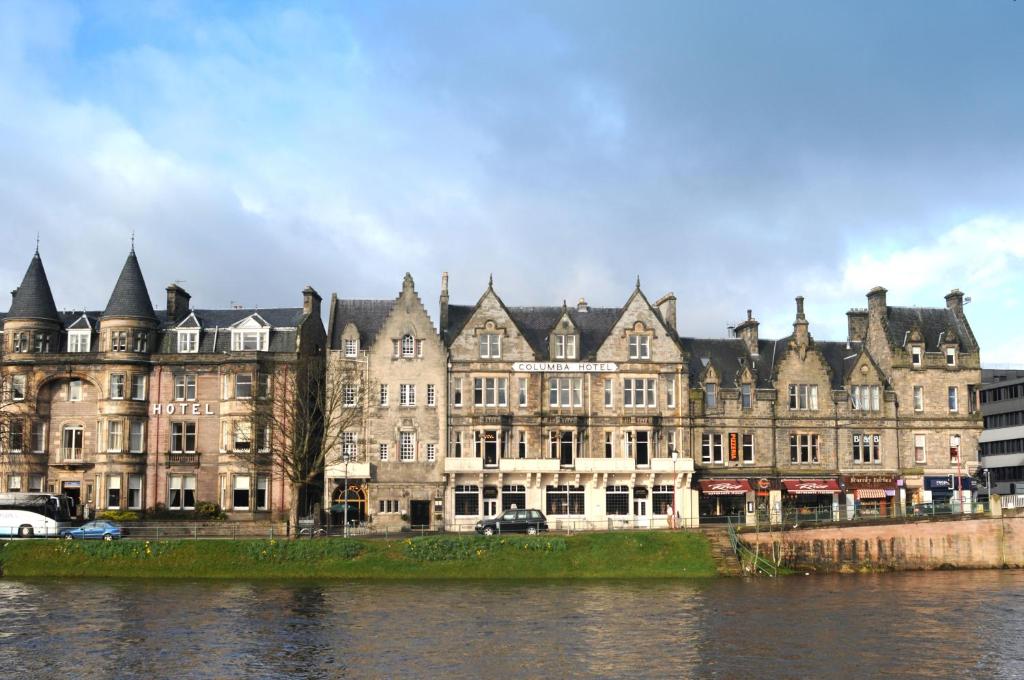
Columba Hotel Inverness
The Columba Hotel is a charming, historic hotel located along the River Ness, directly opposite Inverness Castle. The hotel’s Victorian architecture is complemented by its warm and traditional interior design. Many rooms offer stunning views of the river and the castle, adding to the hotel’s appeal. The hotel features a restaurant and a bar, both of which offer a selection of Scottish and international dishes. The central location provides easy access to the city’s main attractions, shops, and restaurants, making it a convenient and picturesque choice for visitors
Show More
Loch Ness Country House Hotel
The Loch Ness Country House Hotel is a luxurious and intimate boutique hotel set in a beautiful Georgian mansion, surrounded by extensive gardens just a short drive from Inverness. The hotel offers elegantly decorated rooms, some with garden views and others with private patios. Known for its fine dining experience, the on-site restaurant serves high-quality Scottish cuisine made from locally sourced ingredients. The hotel’s tranquil countryside setting offers a peaceful retreat with the convenience of being close to both Inverness and Loch Ness. It’s an ideal choice for those seeking luxury.
Show More
Old North Inn Hotel, Inverness
The Old North Inn Hotel is a traditional and cozy inn located in the countryside, a short distance from Inverness and the shores of Loch Ness. The hotel offers comfortable, unpretentious rooms that reflect the rustic charm of the Highlands. The on-site pub and restaurant are known for their hearty meals, featuring classic Scottish dishes and local ales. The inn’s warm and welcoming atmosphere, combined with its proximity to Inverness and local attractions, makes it a great option for travelers looking for a genuine Highland experience at an affordable price.
Show More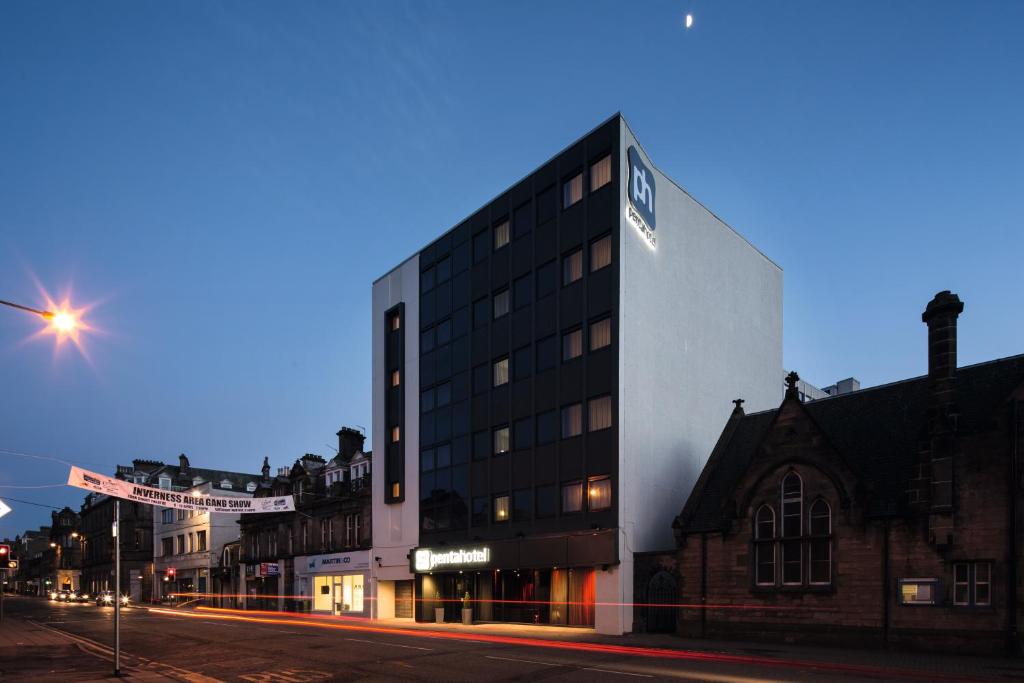
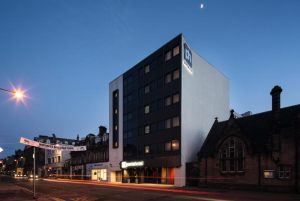
Pentahotel Inverness
The Pentahotel Inverness is a trendy, modern hotel located in the heart of Inverness, offering a unique blend of comfort and style. The hotel features contemporary rooms with sleek design elements, including mood lighting and minimalist decor. The Pentalounge, which serves as a combined reception area, bar, and restaurant, offers a relaxed and vibrant atmosphere with a menu of international cuisine and a wide selection of drinks. The hotel also has a games area, adding a fun element to the stay. Its central location, within walking distance of major attractions and transport links.
Show More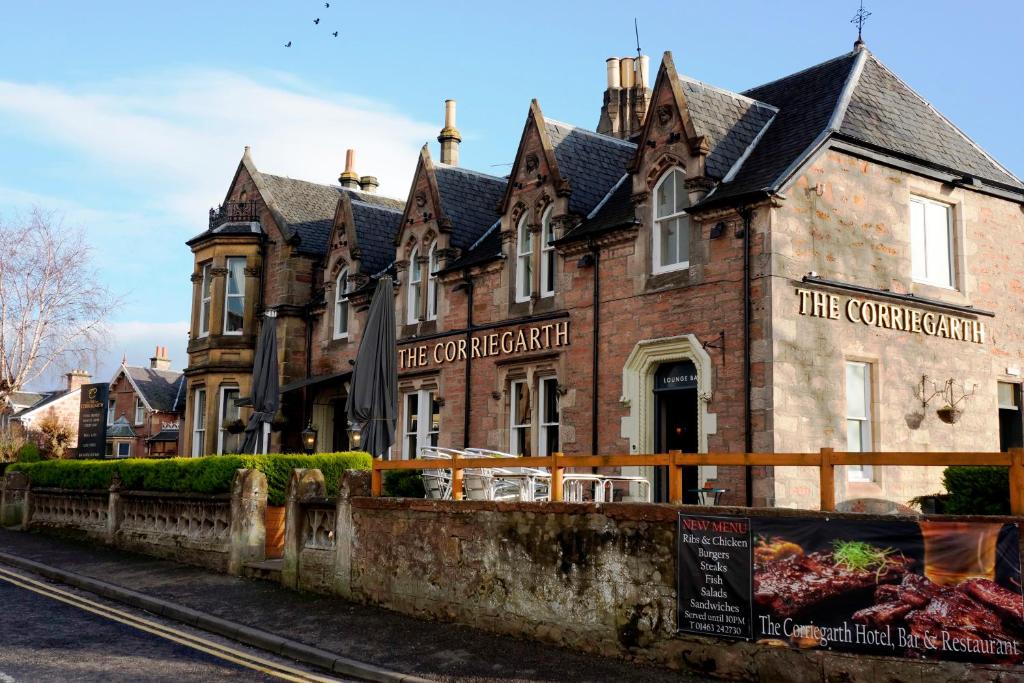
Corriegarth Hotel
The Corriegarth Hotel is a charming and traditional hotel located a short distance from Inverness city center. This family-run establishment offers a warm and welcoming atmosphere with a mix of classic and contemporary decor. The hotel features comfortable rooms, many of which have been recently refurbished to offer modern amenities while retaining a traditional charm. The on-site restaurant and bar provide a relaxed setting where guests can enjoy hearty meals and a selection of local drinks. The hotel is known for its friendly service and cozy ambiance, making it a great choice for those looking for a comfortable stay.
Show More
Beaufort Hotel Inverness
The Beaufort Hotel is a well-regarded hotel situated in a quiet area close to Inverness city center. Housed in a Victorian building, the hotel offers a blend of historical charm and modern comfort. The rooms are tastefully decorated, with some featuring traditional furnishings and others offering a more contemporary style. The hotel’s restaurant, which specializes in Scottish cuisine, provides a cozy dining experience with a focus on local produce. The Beaufort Hotel is known for its attentive service and peaceful setting, making it a comfortable base for exploring Inverness and the surrounding Highlands
Show More
River Ness Hotel
The River Ness Hotel is a modern, stylish hotel located right along the banks of the River Ness, offering beautiful views of the river and the surrounding city. The hotel features contemporary rooms with sleek, minimalist decor and all the modern amenities needed for a comfortable stay. Its prime location provides easy access to Inverness’s main attractions, including Inverness Castle and the city center. Guests can enjoy a selection of drinks and light meals at the hotel’s bar. The River Ness Hotel’s central location and chic design make it an excellent choice for visitors looking to explore the city in comfort and style.
Show More
The Royal Highland Hotel
The Royal Highland Hotel is a historic and prestigious hotel located centrally in Inverness, adjacent to the train station. This grand Victorian building offers a blend of traditional elegance and modern amenities. The hotel features classic decor with ornate furnishings, spacious rooms, and a range of modern comforts. The Royal Highland Hotel is renowned for its excellent dining options, including a fine dining restaurant that serves Scottish and international cuisine. Its central location makes it ideal for exploring Inverness and the nearby attractions. The hotel’s long-standing reputation for quality service and historic charm makes it a popular choice for both leisure and business travellers.
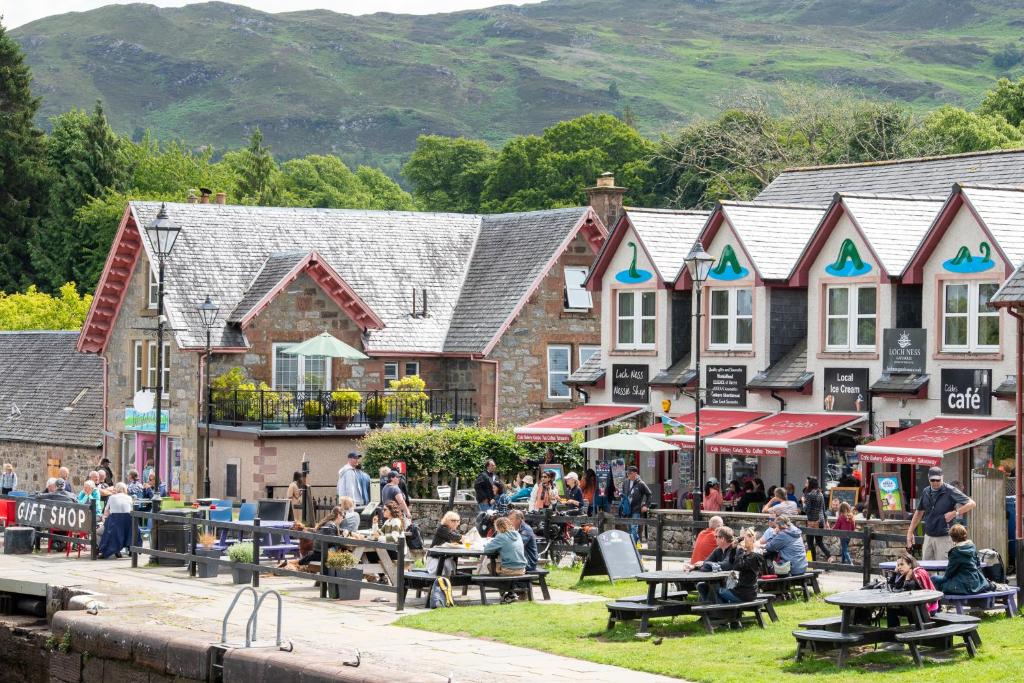
Show MoreFort Augustus is a picturesque village located at the southern tip of Loch Ness, where the loch meets the Caledonian Canal. Its scenic setting is marked by stunning views of the loch and the surrounding rolling hills, making it a popular spot for leisurely walks and boat tours. The village’s historical significance stems from its origins as a military fort in the 18th century, with remnants of this past still visible today.
The Caledonian Canal, with its series of locks designed by Thomas Telford, is a central feature of Fort Augustus, offering a unique glimpse into Scotland’s engineering history. Visitors can watch boats navigate the locks or take boat tours along the canal. The village also boasts a range of local attractions, including the Loch Ness Visitor Centre, quaint shops, and charming cafes.
Outdoor enthusiasts will find plenty to do, with hiking and cycling trails that explore the stunning countryside and offer panoramic views of Loch Ness. The friendly atmosphere and scenic beauty of Fort Augustus make it an inviting destination for those exploring the Loch Ness region and the Scottish Highlands.
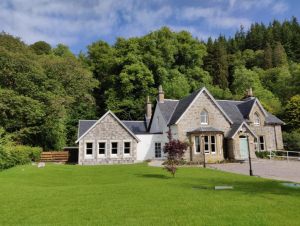
Loch Ness Gate House
Loch Ness Gate House is a charming and cozy self-catering accommodation situated near the southern end of Loch Ness. This private retreat offers a tranquil and scenic setting, with picturesque views of the loch and surrounding Highlands. The gate house features traditional decor combined with modern comforts, including a fully equipped kitchen, comfortable living areas, and a private garden. Its location provides easy access to both Loch Ness and the nearby village of Fort Augustus.
Show More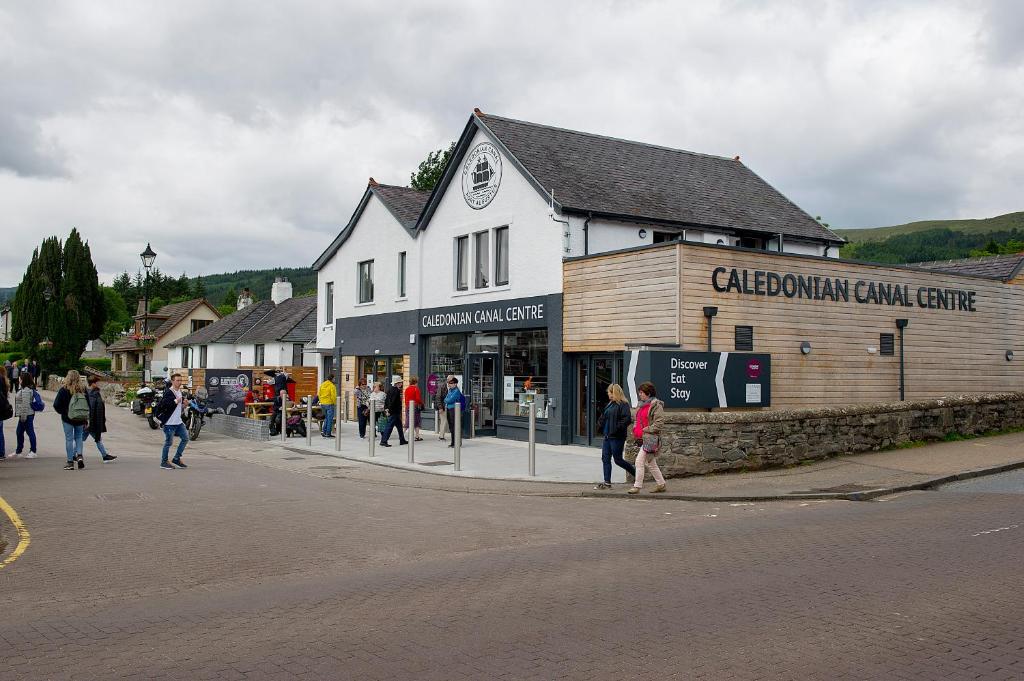
Lock Chambers
Lock Chambers is a unique and stylish accommodation located near the Caledonian Canal in Fort Augustus. Set within a historic building that was once used for canal operations, the property has been transformed into modern and comfortable lodgings. Guests can enjoy contemporary interiors, including well-appointed rooms and modern amenities, while still experiencing a touch of the area’s industrial heritage. Its location by the canal provides beautiful views and easy access to nearby walking.
Show More
Rokeby Manor
Rokeby Manor is an elegant and historic mansion located in Invergarry, near the southern end of Loch Ness. Set amidst extensive gardens and parkland, this grand property offers luxurious accommodations with a blend of traditional charm and modern amenities. The manor features beautifully decorated rooms, a stylish dining area, and expansive grounds for guests to explore. Its serene location provides a peaceful retreat with easy access to the natural beauty of the Highlands and the nearby Loch Ness.
Show More
Richmond House Hotel
The Richmond House Hotel is a welcoming and well-regarded hotel located in Fort Augustus, close to the southern end of Loch Ness. Housed in a traditional building, the hotel offers comfortable and tastefully decorated rooms, with some providing views of the surrounding countryside. The hotel’s restaurant serves a range of Scottish and international dishes, using locally sourced ingredients. Its central location in Fort Augustus makes it a convenient base for exploring the area, including the nearby Caledonian Canal and Loch Ness.
Show More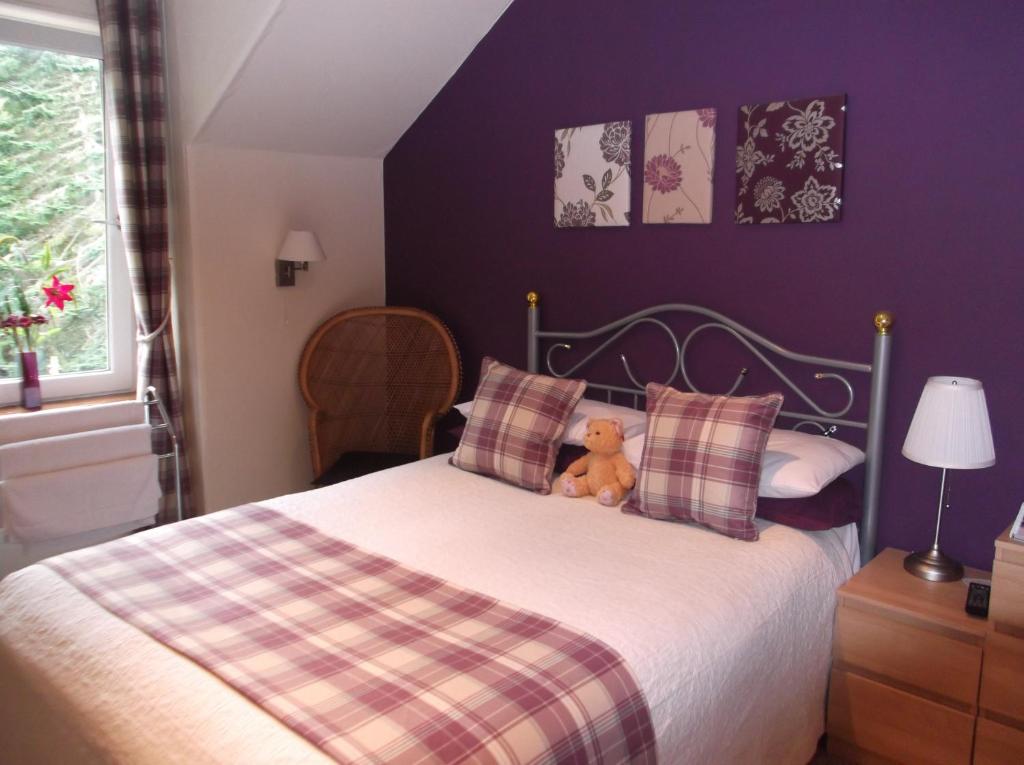
Foyers Roost
Foyers Roost is a charming and picturesque accommodation located in the village of Foyers, on the eastern shore of Loch Ness. The property offers comfortable, well-appointed rooms with beautiful views of the loch and the surrounding landscape. Foyers Roost provides a cozy and welcoming atmosphere, with easy access to local attractions such as the Falls of Foyers and various walking trails. Its serene location is perfect for those seeking a peaceful retreat while still being close to the natural beauty of Loch Ness.
Show More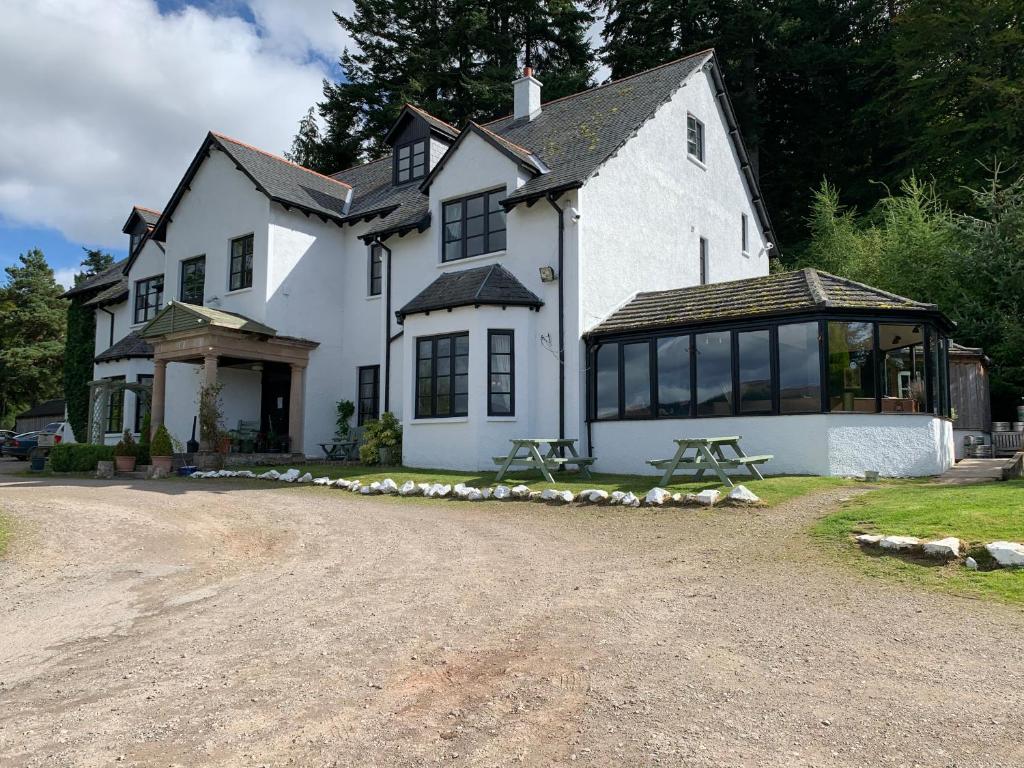
Craigdarroch Hotel
The Craigdarroch Hotel is a traditional and friendly hotel situated in the village of Foyers, overlooking Loch Ness. The hotel is housed in a historic building and features a range of comfortable rooms, some with stunning views of the loch. Guests can enjoy hearty Scottish cuisine at the hotel’s restaurant, which emphasizes local produce and traditional recipes. The hotel’s location offers easy access to the nearby Falls of Foyers and scenic walking routes, making it an ideal spot for exploring the natural beauty of the Loch Ness area.
Show MoreDrumnadrochit is a picturesque village located on the western shore of Loch Ness in the Scottish Highlands. It offers stunning views of the loch and surrounding hills, providing a serene and scenic backdrop for visitors. The village is known for its connection to the Loch Ness Monster legend, with attractions like the Loch Ness Centre and Exhibition providing insights into the mythical creature’s lore.
Nearby, the historic Urquhart Castle stands prominently on the loch’s edge, offering panoramic views and a glimpse into Scotland’s medieval history. Drumnadrochit’s local amenities include charming shops, cafes, and restaurants, making it a convenient and inviting spot for exploring the Loch Ness area. The village’s friendly atmosphere and beautiful setting make it a popular destination for those seeking to experience the natural beauty and rich heritage of the Highlands.

Loch Ness Inn
The Loch Ness Inn is a welcoming and traditional pub-style inn located in Drumnadrochit, offering a cozy and relaxed atmosphere. The inn features comfortable rooms with classic decor, providing a homey feel with modern amenities. The on-site pub serves a variety of hearty Scottish dishes and local ales, creating a lively and friendly environment for guests. Its central location in Drumnadrochit makes it an ideal base for exploring Loch Ness and nearby attractions, including Urquhart Castle.
Show More
Benleva Hotel
The Benleva Hotel is a charming and historic hotel situated in Drumnadrochit, offering a blend of traditional Scottish hospitality and modern comforts. The hotel features well-furnished rooms with classic decor and a cozy ambiance. Its restaurant provides a selection of Scottish and international cuisine, with an emphasis on local produce. The hotel is conveniently located for exploring the Loch Ness area and its attractions, and its friendly atmosphere makes it a popular choice among visitors.
Show More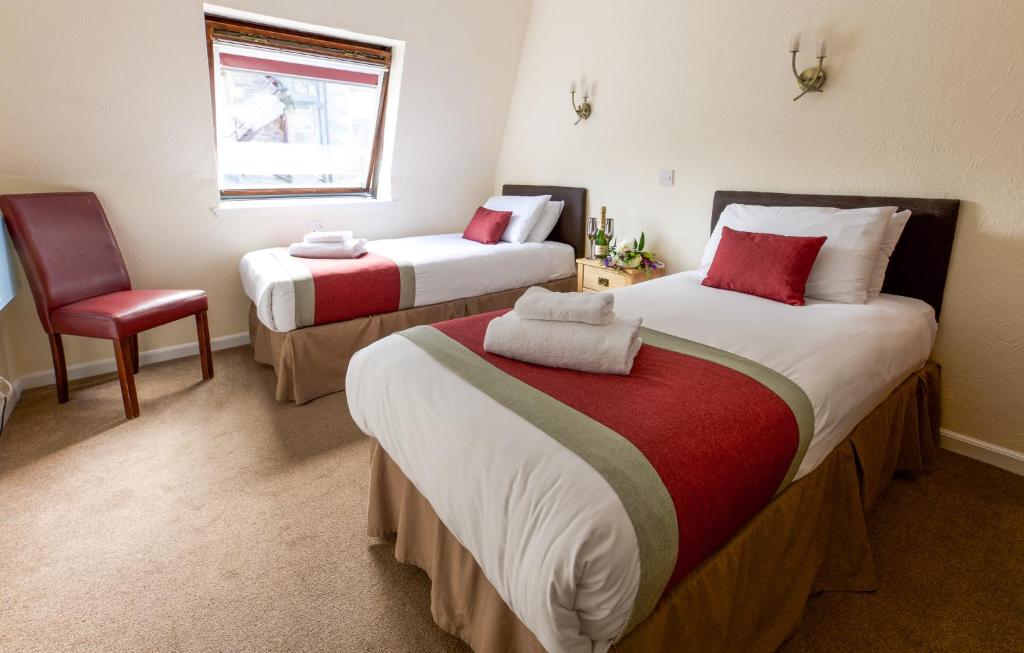
Loch Ness Drumnadrochit Hotel
The Loch Ness Drumnadrochit Hotel is a family-friendly and comfortable hotel located in the heart of Drumnadrochit. The hotel offers a range of accommodations with contemporary decor and modern amenities. Guests can enjoy meals at the hotel’s restaurant, which serves a variety of dishes catering to different tastes. The hotel’s location is ideal for exploring Loch Ness and its surroundings, including nearby attractions like Urquhart Castle and local walking trails. of Loch Ness.
Show More
Loch Ness Lodge Hotel
The Loch Ness Lodge Hotel is a stylish and upscale hotel located in Drumnadrochit, offering a blend of luxury and comfort. The hotel features elegantly decorated rooms with modern amenities and some with views of Loch Ness. Its on-site restaurant provides fine dining options with a focus on local Scottish ingredients. The lodge’s tranquil setting and high-quality service make it an ideal choice for a relaxing stay while exploring the scenic beauty of Loch Ness and the surrounding Highlands.
Show More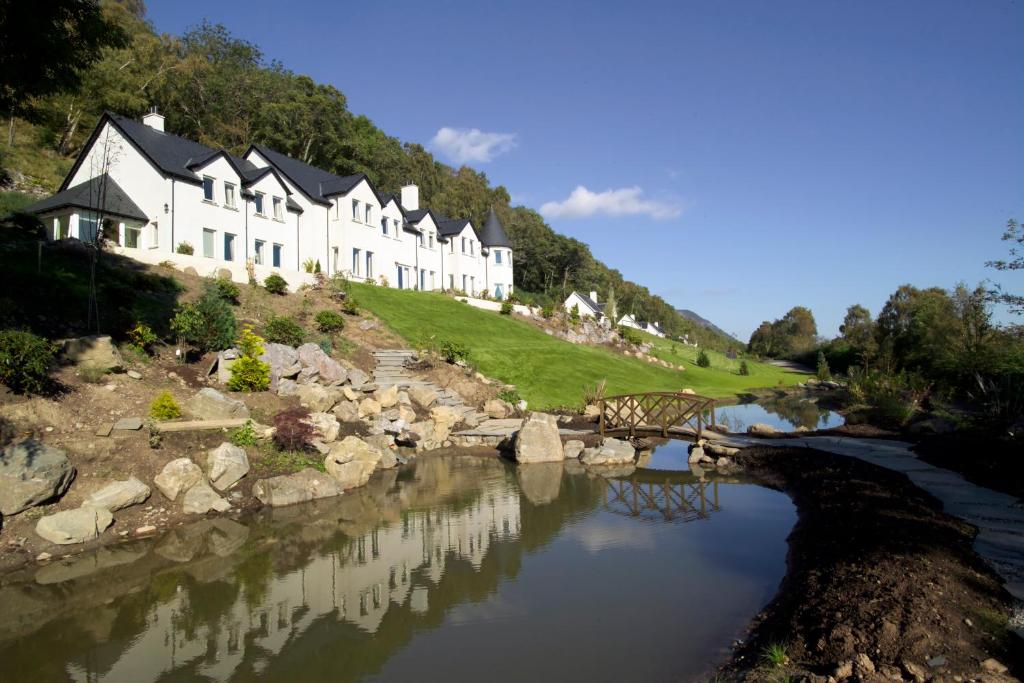
Loch Ness Lodge
The Loch Ness Lodge is an intimate and charming accommodation in Drumnadrochit, offering a boutique hotel experience. The lodge features beautifully appointed rooms with a blend of traditional and contemporary decor. Guests can enjoy a range of amenities designed for comfort and relaxation. The lodge’s location provides easy access to Loch Ness and local attractions, with a focus on delivering personalized service and a warm, welcoming atmosphere.
Show More
Loch Ness Clansman Hotel
The Loch Ness Clansman Hotel is a distinctive and historic hotel located on the western shore of Loch Ness, just outside Drumnadrochit. The hotel offers traditional Scottish decor with a range of comfortable rooms, many with views of the loch. The on-site restaurant serves a selection of Scottish cuisine, and the hotel also features a bar with a variety of local drinks. The hotel’s location provides stunning views of Loch Ness and easy access to local attractions, including Urquhart Castle.
Show More