Loch Tay is a breathtaking freshwater loch nestled in the heart of the Scottish Highlands, stretching over 23 kilometers between the villages of Killin and Kenmore. Surrounded by rolling hills, dense woodlands, and the majestic Ben Lawers mountain range, the loch’s deep, dark waters mirror the ever-changing Scottish skies, creating a scene of remarkable natural beauty.
Steeped in history and folklore, Loch Tay is home to ancient crannogs—artificial islands built by early settlers, some of which can still be seen today. The Scottish Crannog Centre on the loch’s shores provides a fascinating insight into Iron Age life, offering visitors a glimpse into the past through reconstructed dwellings and interactive exhibits.
A haven for outdoor enthusiasts, the loch is a popular destination for water sports such as kayaking, sailing, and fishing, with its waters teeming with trout and salmon. The surrounding landscape invites hikers and cyclists to explore scenic trails, while those seeking tranquility can simply soak in the loch’s serene atmosphere, often enhanced by the sight of mist rolling over the hills at dawn or dusk.
Loch Tay’s charm extends beyond its natural beauty, as it is dotted with charming villages, historic sites, and welcoming inns. Kenmore, at the eastern end, boasts the picturesque Taymouth Castle and a scenic shoreline, while Killin, at the western end, is famous for the dramatic Falls of Dochart, where the rushing waters of the River Dochart cascade into the loch.
Kenmore, situated at the eastern end of Loch Tay, is a picturesque village steeped in history and charm. Overlooking the loch’s tranquil waters, it is home to Taymouth Castle, a grand estate once visited by Queen Victoria. The village boasts a scenic waterfront, a historic stone bridge, and the famous Kenmore Hotel, reputedly Scotland’s oldest inn. Visitors can explore the loch by boat, relax on the small beach, or walk the nearby trails offering breathtaking views.
Lawers, a small hamlet on the northern shores of Loch Tay, is best known for the haunting ruins of the Old Village of Lawers and the legendary Lady of Lawers, a 17th-century seer whose prophecies still intrigue visitors today. Surrounded by stunning Highland scenery, Lawers provides access to the Ben Lawers National Nature Reserve, where hikers can ascend one of Scotland’s highest mountains and experience panoramic views of the loch and beyond.
Killin, located at the western end of Loch Tay, is a vibrant village famous for the spectacular Falls of Dochart. These rushing waterfalls, set against the backdrop of rugged hills, are a highlight for visitors exploring the area. Killin offers a mix of history and outdoor adventure, with ancient stone circles, the ruins of Finlarig Castle, and easy access to the Trossachs National Park. It is also a popular base for hillwalking, cycling, and wildlife spotting.
Ardeonaig, a peaceful and secluded hamlet on the southern shores of Loch Tay, is a hidden gem known for its unspoiled beauty. With its rolling farmland, wooded hills, and lochside views, Ardeonaig is an ideal retreat for those seeking tranquility. The area is rich in history, with ancient standing stones and historic inns that have welcomed travelers for centuries. It is also a perfect spot for fishing, boating, or simply enjoying the stillness of the Highland landscape.
- Kenmore
- Lawers
- Killin
- Ardeonaig

Ardeonaig Hotel & Restaurant
Ardeonaig Hotel & Restaurant, nestled on the peaceful southern shores of Loch Tay, offers a tranquil retreat surrounded by breathtaking Highland scenery. This charming country hotel blends rustic elegance with modern comfort, featuring cozy rooms, private lodges, and a renowned restaurant serving locally sourced cuisine. With its lochside location, guests can enjoy stunning views, relaxing walks, and a warm, welcoming atmosphere.
Show More
Fortingall Hotel
Fortingall Hotel, located near the eastern edge of Loch Tay, is a historic country house hotel brimming with character. Set in the picturesque village of Fortingall, known for its ancient yew tree, the hotel offers luxurious rooms, fine dining, and an inviting bar with roaring log fires. Its timeless charm and proximity to scenic walking trails and historic sites make it a perfect Highland escape. Visit Fortingall Hotel for your choice of holiday break.
Show More
Killin Hotel
Killin Hotel, situated in the heart of the village of Killin, provides a comfortable and traditional Scottish stay. Overlooking the River Lochay and just a short walk from the dramatic Falls of Dochart, this hotel boasts a mix of well-appointed rooms, a cozy bar, and a restaurant serving hearty local dishes. Its central location makes it ideal for exploring Loch Tay and the surrounding mountains.
Show MoreLoch Tay is a beautiful and expansive freshwater loch located in the central part of Scotland, within the region of Perth and Kinross. It is one of the largest and most picturesque lochs in the country, offering stunning views of the surrounding mountains and countryside.
Physical Characteristics:
- Location: Loch Tay stretches approximately 23 kilometers (14 miles) from the village of Killin in the west to Kenmore in the east.
- Shape: The loch has a narrow, elongated shape, with its deepest point reaching around 150 meters (492 feet).
- Surroundings: The loch is surrounded by the picturesque landscape of the Scottish Highlands, with rolling hills, mountains, and lush greenery adding to its scenic beauty.
Historical and Cultural Significance:
- Crannogs: Loch Tay is famous for its ancient crannogs, which are artificial islands built in prehistoric times. These crannogs served as dwelling places for people during the Iron Age and early medieval period. They are now fascinating historical sites to explore.
- Castles: The loch's shores are adorned with historic castles, including the 16th-century Balloch Castle, which adds to the loch's allure and historical charm.
Outdoor Activities and Tourism:
- Watersports: Loch Tay provides excellent opportunities for various watersports, such as kayaking, sailing, and fishing. The tranquil waters and scenic surroundings make it an ideal destination for those seeking outdoor adventures.
- Hiking and Walking: The area around Loch Tay offers numerous hiking and walking trails, catering to all levels of fitness. The walks provide stunning views of the loch and the surrounding landscape, making it a paradise for nature lovers and photographers.
- Ben Lawers National Nature Reserve: Located near the northern shore of Loch Tay, this nature reserve offers a chance to explore the diverse flora and fauna of the region, including rare alpine plants and wildlife.
Scenic Drives:
- The road along the northern shore of Loch Tay provides a scenic drive with breathtaking views of the loch and the surrounding mountains, making it a popular route for travelers exploring the Scottish Highlands.
Overall, Loch Tay is a captivating destination that offers a mix of history, natural beauty, and outdoor activities. Whether you are interested in exploring ancient ruins, enjoying watersports, or simply taking in the stunning landscapes, Loch Tay provides a memorable and enriching experience for visitors to the region.

Achray House Restaurant with Rooms
Achray House Restaurant with Rooms, set in the tranquil village of St. Fillans near Loch Earn, offers an intimate and luxurious getaway. With stylish rooms and a fine-dining restaurant that showcases Scotland’s finest produce, guests can enjoy gourmet meals while taking in breathtaking loch and mountain views. The hotel’s peaceful setting makes it perfect for a romantic retreat or an active outdoor holiday.
Show More
The Courie Inn
The Courie Inn, a welcoming boutique hotel in Killin, combines modern comfort with Highland charm. Offering stylish yet cozy rooms, a relaxed bar, and a bistro serving freshly prepared Scottish cuisine, it is an excellent base for exploring Loch Tay’s natural beauty. With friendly hospitality and a prime village location, The Courie Inn is a favorite among visitors.
Show More
Letterellan
Letterellan, an exclusive luxury guesthouse near Loch Tay, provides a refined and tranquil retreat for discerning travelers. Surrounded by stunning landscapes, this boutique property offers elegantly designed rooms, impeccable service, and a serene atmosphere. Its dedication to comfort and relaxation makes it a standout choice for those seeking a high-end escape in the Highlands
Show More
Schiehallion Hotel
Schiehallion Hotel, located in the charming town of Aberfeldy, is a stylish and contemporary accommodation option near Loch Tay. With spacious rooms, a lively bar, and a restaurant serving classic Scottish fare, the hotel provides a comfortable stay with easy access to local attractions, including the scenic Birks of Aberfeldy and the famous Dewar’s Distillery
Show More
Luib Hotel
Luib Hotel, a historic coaching inn nestled between Killin and Crianlarich, offers a cozy and traditional Highland experience. Dating back to the 17th century, the hotel features rustic rooms, a friendly bar with a log fire, and home-cooked meals. Its location makes it an ideal stop for travelers exploring the Loch Lomond and Trossachs National Park and the wider Perthshire region.
Show MoreThe Falls of Dochart are a picturesque series of rapids located near the village of Killin in central Scotland. These falls are situated on the River Dochart, which flows out of Loch Dochart. The falls are known for their dramatic appearance, particularly during times of high water, when the river cascades over large boulders, creating a beautiful and powerful scene. The area around the falls is popular with tourists and photographers for its natural beauty and the opportunity to experience Scotland's rugged landscapes. If you’re planning a visit, you might also enjoy exploring the surrounding area, which offers lovely walking trails and views of the nearby hills.
Finlarig Castle is a historic ruin located near the village of Killin in central Scotland. The castle is situated close to the Falls of Dochart, making it a convenient stop for visitors exploring the area.
Built in the 17th century by the Clan Campbell, Finlarig Castle was once a grand and strategically important stronghold. It was constructed by Sir Duncan Campbell, 1st Baronet of Glenorchy, and it served as the seat of the Campbells of Glenorchy. The castle features a distinctive L-shaped design with a central tower and a courtyard.
Although the castle is now in a state of ruin, its remnants still convey its former grandeur. Visitors can explore the castle's remains, including the impressive stone walls and the remains of the great hall. The castle grounds also offer scenic views of the surrounding landscape, including the nearby River Dochart and the picturesque countryside.
If you’re interested in Scottish history and architecture, Finlarig Castle provides a fascinating glimpse into the past and is a charming spot to visit while exploring the area around Killin.

The Kenmore Club
The Kenmore Club – Located in the charming village of Kenmore, this stylish self-catering resort offers comfortable lodges with stunning views of Loch Tay. It provides modern amenities and easy access to local attractions, making it ideal for a getaway.
Show More
Fortingall Hotel
Fortingall Hotel – A historic and character-filled hotel near Loch Tay, known for its warm hospitality, traditional interiors, and fine dining. It is situated close to the famous Fortingall Yew, one of Europe’s oldest trees, adding to its unique charm.
Show More
Boreland Loch Tay
Boreland Loch Tay – A luxurious retreat offering spacious lodges and group accommodation with panoramic views of the loch. Ideal for large gatherings, it provides a peaceful setting with modern comforts in the heart of the Highlands.
Show More
Bracken Lodges, Loch Tay, Linnie Lodge
Bracken Lodges – Set along the southern shores of Loch Tay, these well-equipped self-catering lodges provide a tranquil escape surrounded by stunning natural landscapes. Perfect for couples and families looking for relaxation and adventure.
Show More
Shepherds Forge, Loch Tay
Shepherds Forge – A charming accommodation option near Loch Tay, offering a unique stay with traditional features and a peaceful setting. Ideal for those looking to experience the beauty of the Highlands in a cozy environment.
Show More
Firbush Lochside Lodges
Firbush Lochside Lodges – Perfect for outdoor enthusiasts, these lodges provide direct access to water sports, hiking trails, and the scenic beauty of Loch Tay. A great choice for adventure seekers and nature lovers alike.
Show More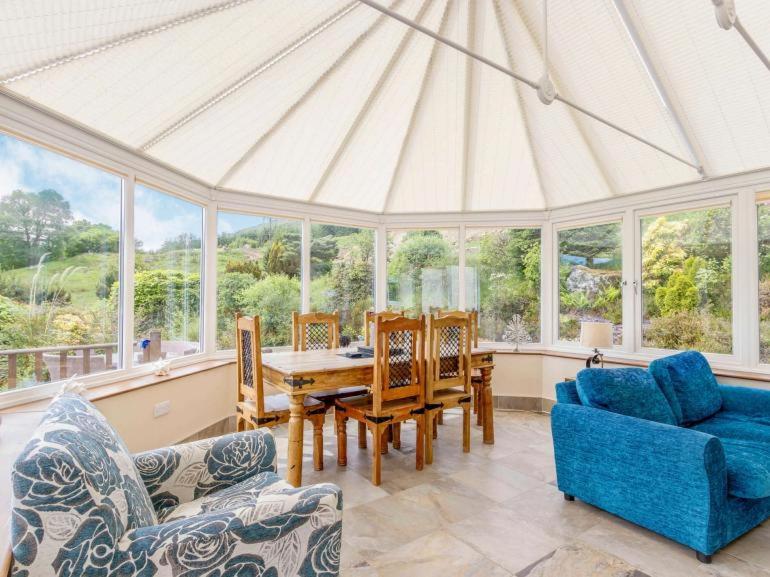
3 Bedroom Luxury Home
3 Bedroom Luxury Home with Hot Tub – Boasting stunning views of Killin and the River Dochart, this luxurious home features a private hot tub, making it a perfect retreat for relaxation and comfort.
Show More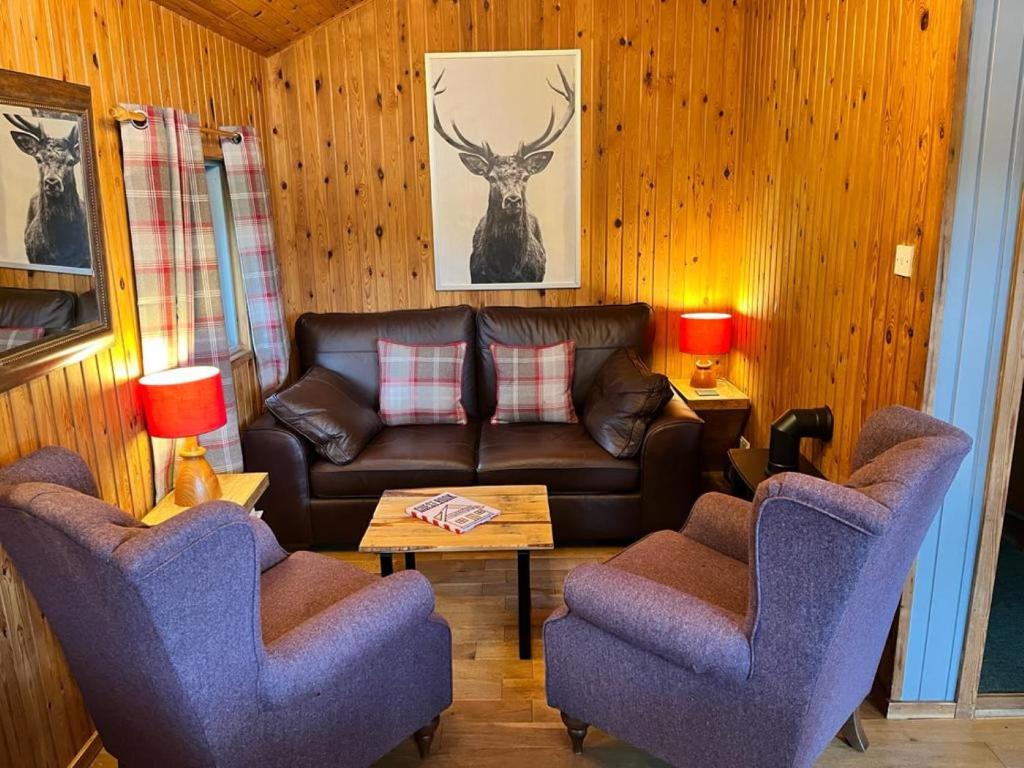
Milton Bay Luxury Lodge
Milton Bay Luxury Lodge – Surrounded by exceptional scenery, this elegant and modern lodge offers a peaceful escape with top-tier amenities and breathtaking views of Loch Tay’s natural beauty.
Show More
Woodland Gean Lodge
Woodland Gean Lodge – A spacious and beautifully designed lodge, ideal for families and groups. It provides a stylish and comfortable base to explore Loch Tay and its surroundings, offering both seclusion and easy access to outdoor activities.
Show MoreKillin Golf Club, located in the charming village of Killin in central Scotland, is known for its picturesque and welcoming 9-hole golf course. Set against the backdrop of the stunning Scottish Highlands, the course offers a delightful experience for golfers of all skill levels.
The course is relatively short but features a range of challenges, including water hazards and strategic bunkers, making it an enjoyable test for both beginners and seasoned players. Its location provides beautiful views of the surrounding landscape, including the nearby Falls of Dochart and the peaks of Ben Lawers.
Killin Golf Club is appreciated not just for its course but also for its friendly and inclusive atmosphere. The club's facilities include a small clubhouse where players can relax and socialize after their round. The club often hosts local events and competitions, contributing to the vibrant community spirit.
Whether you're a golfer looking for a relaxing round or a visitor enjoying the scenic beauty of the area, Killin Golf Club offers a pleasant and memorable golfing experience.
The Acharn Forest Walk, located near the village of Acharn in central Scotland, offers a serene and scenic walking experience. The forest walk takes you through picturesque woodlands, with trails winding through a mix of deciduous and coniferous trees. The route is well-maintained and accessible, making it suitable for walkers of all ages and abilities.
One of the highlights of the Acharn Forest Walk is its variety of landscapes, including peaceful glades and views over Loch Tay and the surrounding hills. The forest is home to diverse flora and fauna, providing ample opportunities for nature observation. During different seasons, you can enjoy a range of colors and wildlife activities.
The walk is typically a circular route, allowing you to return to your starting point with minimal retracing of steps. It’s a great option for a leisurely stroll or a more invigorating hike, offering a tranquil escape into nature.
The Clan McNabb Burial Grounds are a historical and cultural site located in the village of Killin, Scotland. These burial grounds are significant as the resting place for members of the McNabb clan, a Scottish Highland clan with historical ties to the region.
The site includes a collection of old gravestones and monuments that reflect the clan's history and heritage. The burial grounds are situated in a tranquil setting, often surrounded by the natural beauty of the Scottish countryside, which adds to the reverent atmosphere of the site.
Visiting the Clan McNabb Burial Grounds offers insight into the local history and the clan’s past, as well as an opportunity to explore Scottish heritage in a serene and historical environment. It’s a place where one can reflect on the past while appreciating the historical context of the Scottish Highlands.
The Killin Railway Viaduct, also known as the Killin Viaduct, is a notable historical structure located near the village of Killin in central Scotland. Constructed in the mid-19th century, this impressive stone viaduct spans the River Lochay and was part of the Callander and Oban Railway, which played a key role in connecting the Highland region with other parts of Scotland.
The viaduct is an elegant example of Victorian engineering, featuring a series of arches that rise gracefully over the river. It is constructed from locally quarried stone, and its robust design reflects the engineering skills of the period. Although the railway line is no longer in use, the viaduct remains a striking landmark and a popular subject for photography.
The Killin Railway Viaduct offers a picturesque backdrop for the surrounding landscape, and its historical significance adds to its charm. It is a lovely spot to visit for those interested in Scotland’s railway history or simply seeking to enjoy a scenic and tranquil setting.
Killin and Loch Tay offer a variety of scenic walking trails that highlight the natural beauty of central Scotland. From Killin, you can enjoy easy walks such as the route to the Falls of Dochart, known for its dramatic rapids, or a circular trail around the village that takes in local landmarks and picturesque views.
The Loch Tay area features trails like the Loch Tay Circuit, which provides stunning lakeside views and opportunities to spot wildlife. The nearby Ben Lawers Nature Reserve offers more challenging hikes, including a climb to the summit of Ben Lawers for panoramic vistas of the loch and surrounding Highlands.
Additionally, the Acharn Forest Walk near Killin offers a peaceful stroll through woodlands with lovely views over Loch Tay. Combining a visit to Moirlanich Longhouse with a surrounding countryside walk provides both historical insights and scenic enjoyment. These walks cater to various interests and abilities, making them ideal for exploring the region’s diverse landscapes.
Travelling Taff ( Reviews Loch Tay)
Spent two weeks using a camp on the side of Loch Tay as a base camp. Spent 3 days canoeing the southern half of the Loch, right down to Beaver Island. Has a numerous wildcamping spots along the shore with beautiful views and some nice surprises. One even had a farm shop just up from the beach. A couple of Crannogs can still be seen and evidence of others can br spotted. It also has a fee outdoor centres along the edges which were helpful and looked good to go to. I just couldn't at the time. I had a great time walking and canoeing in the area and would really recommend to anyone that hasn't been.
Kim Kjaerside ( Reviews Loch Tay)
Loch Tay has for a long time been our favourite Loch. This time round during our visit it again didn't disappoint! Its truly one of Scotland's best lochs and an amazing place to take your family or visit with friends. With the iconic Killin at one end and the quaint Kenmore at the other end, it caters for most people with a lot of accommodation options around the Loch, all within reasonably easy reach from central Scotland and the Highlands.
Stewart Redfern ( Reviews Loch Tay)
One of the best lochs I've seen, great places to hire boats and eat food around it. We hired some paddle boards and a Canadian canoe, we were very tempted to hire a power boat to explore even more! The water looks deep but the current is not strong and the views are amazing. It looks like something out of a movie and the fresh air is amazing!
Kev Foulds ( Reviews Loch Tay)
Loch Tay is indeed a stunning loch whether driven along the main A road or if you are fit enough, using the cycle route along the bottom B road. The scenery is magic and is a place well worth a visit. It is one of the few lochs that you can actually drive all the way around. Park in Killin and enjoy the history surrounding this village and the Loch.