Loch Awe is a breathtaking freshwater lake located in Argyll and Bute, Scotland. It is one of the largest and most picturesque lochs in the country, renowned for its stunning scenery, historic landmarks, and abundant wildlife.
Physical Characteristics:
- Location: Loch Awe is situated in the west of Scotland, running approximately 41 kilometers (25 miles) from the village of Lochawe in the northeast to Ford near the western end.
- Shape: The loch has a long, narrow shape with several branches and islands dotting its expanse.
- Size: It is one of the longest freshwater lochs in Scotland, reaching a maximum depth of around 94 meters (308 feet).
- Surroundings: The landscape around Loch Awe is characterized by rolling hills, woodlands, and mountains, creating a picturesque and serene setting.
Historical and Cultural Significance:
- Castles: Loch Awe is famous for its historical castles that line its shores, adding to its romantic allure. Kilchurn Castle, located near the northeastern end of the loch, is one of the most iconic and frequently photographed castles in Scotland. The ruins of this 15th-century structure sit on a small peninsula jutting into the loch, making it a captivating sight.
- Archaeological Sites: The loch and its surrounding area boast several ancient archaeological sites, including standing stones and burial cairns, highlighting its rich history.
Wildlife and Nature:
- Fishing: Loch Awe is well-known for its fishing opportunities, attracting anglers in search of trout, salmon, and other fish species.
- Wildlife: The loch and its surrounding habitat support a diverse range of wildlife. Birdwatchers can spot various bird species, including ospreys, golden eagles, and peregrine falcons. The area is also home to red deer and other woodland creatures, making it a haven for nature enthusiasts.
Activities and Tourism:
- Boat Trips: Visitors can take boat trips on Loch Awe to admire the stunning scenery and visit some of the islands and historic sites.
- Hiking: The surrounding hills and mountains offer excellent hiking opportunities, allowing visitors to explore the loch's beauty from different vantage points.
- Photography: Loch Awe's picturesque landscapes and historic landmarks make it a paradise for photographers.
Overall, Loch Awe is a place of immense natural beauty and cultural significance, offering a tranquil escape for those seeking to immerse themselves in Scotland's stunning scenery and history. Whether it's exploring ancient ruins, enjoying water activities, or simply admiring the breathtaking vistas, Loch Awe provides an unforgettable experience for all who visit.

Loch Awe Hotel
Loch Awe Hotel is a grand Victorian-style hotel overlooking the loch, offering stunning views and a tranquil setting. With its traditional charm and comfortable rooms, it’s a great choice for those seeking a classic Scottish getaway.
Show More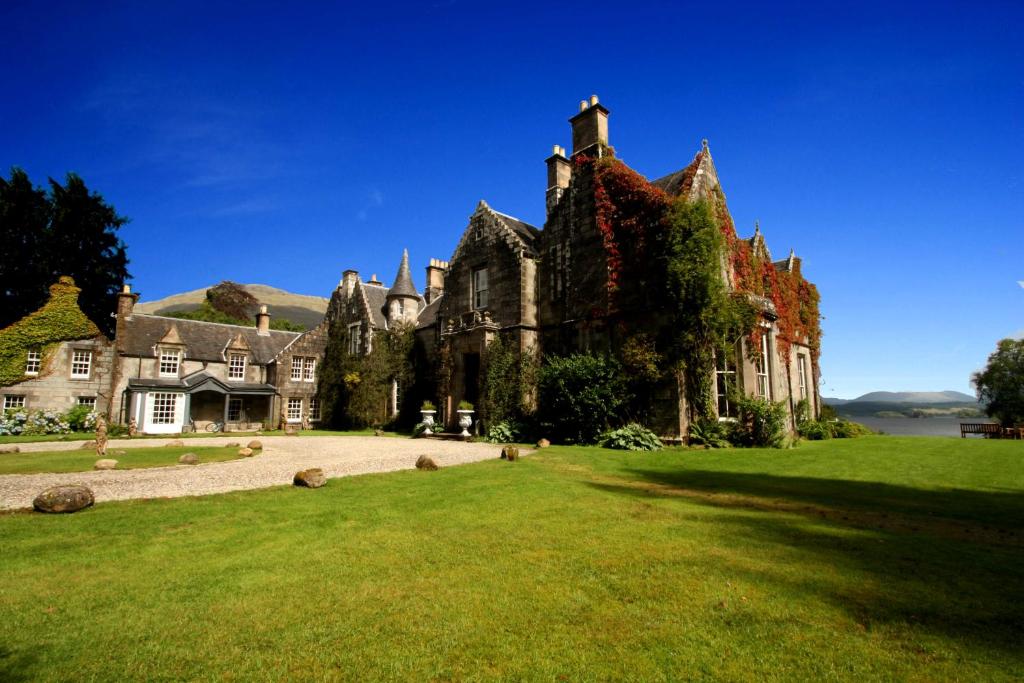
Ardanaiseig Hotel
Ardanaiseig Hotel is an elegant country house hotel nestled on the banks of Loch Awe. This award-winning retreat combines luxury with historic character, featuring beautifully designed rooms and exquisite fine dining. Escape for relaxation and romance.
Show More
Taychreggan Hotel
Taychreggan Hotel is a boutique hotel set in a historic 17th-century drovers' inn. Overlooking the loch, this intimate retreat is known for its warm hospitality, gourmet cuisine, and cozy yet stylish rooms, making it perfect for a secluded getaway.
Show More
Innishail
Innishail is a charming holiday retreat near Loch Awe, offering a comfortable and scenic escape in the heart of the Highlands. With stunning views and a peaceful setting, it provides a relaxing base for exploring the loch and its breathtaking surroundings. Welcome to Innishail.
Show More
The Old School
The Old School is a unique and characterful accommodation, set within a beautifully converted schoolhouse. Combining historic charm with modern comforts, it offers a cozy and welcoming stay, perfect for those looking to experience the natural beauty of Loch Awe.
Show More
Loch Aweside Forest Cabins
Loch Aweside Forest Cabins provide a secluded woodland retreat, nestled among trees with easy access to the loch. These rustic yet well-equipped cabins offer a tranquil escape for nature lovers, with opportunities for fishing, hiking, and wildlife spotting right on the doorstep.
Show More
Boatmans Cottage
Boatmans Cottage at Invernian Mor is a picturesque lochside getaway, offering a traditional yet comfortable stay with stunning waterfront views. With its charming interiors and peaceful setting, it’s an ideal choice for a relaxing break by the shores of Loch Awe.
Show More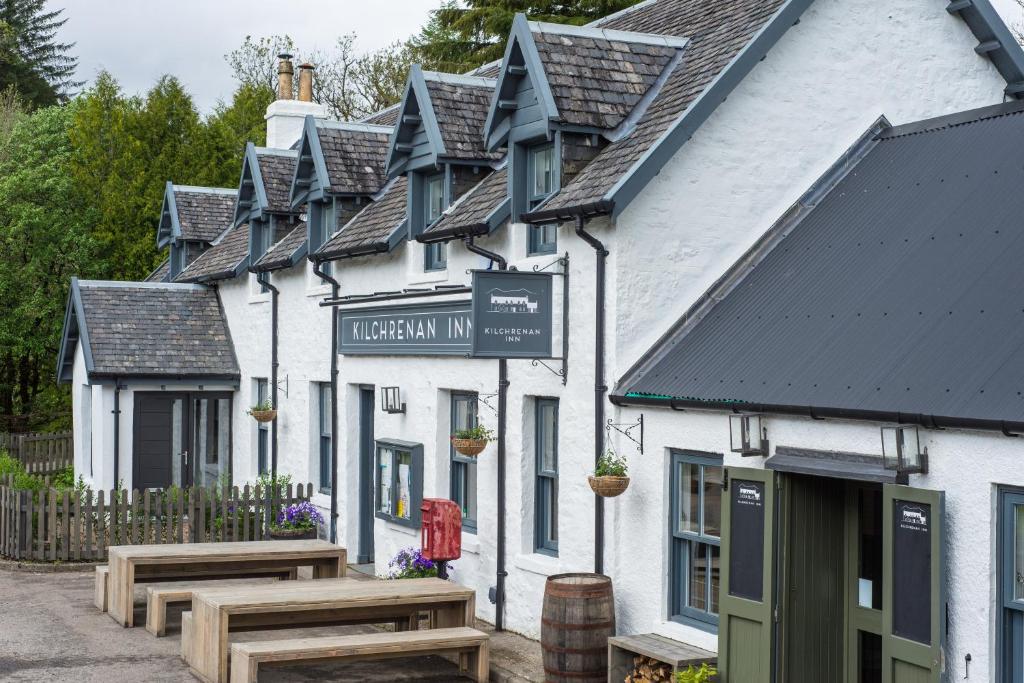
The Kilchrenan Inn
The Kilchrenan Inn is a historic countryside inn known for its warm hospitality and cozy atmosphere. With comfortable rooms and a welcoming pub serving delicious local cuisine, it provides a perfect blend of relaxation and Highland charm.
Show More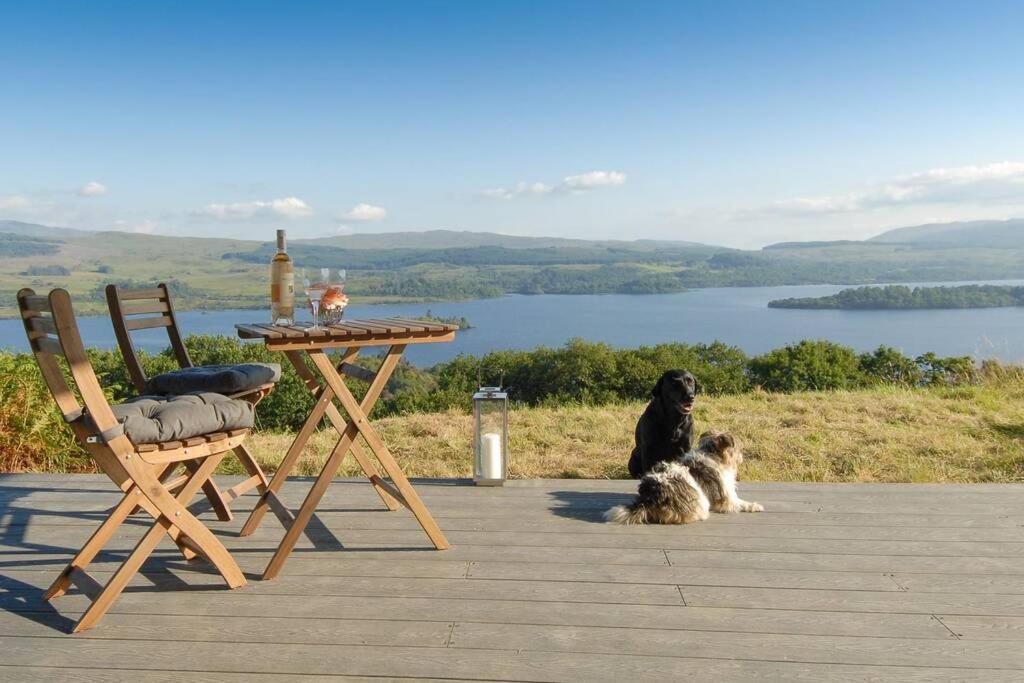
Columba Lodge,
Columba Lodge St Conan’s Escape is a stylish and modern lodge, designed for a luxurious retreat in the Highlands. With stunning views over Loch Awe and high-end amenities, it’s perfect for those looking for a peaceful yet indulgent escape.
Show More
Kilchurn Suites
Kilchurn Suites offer stylish and contemporary accommodation with spectacular views of the loch and nearby Kilchurn Castle. Featuring spacious and elegantly designed rooms, these suites provide a luxurious stay for visitors looking to experience the beauty of Loch Awe in comfort.
Show More
Tower Lodge
Tower Lodge is a secluded retreat near Loch Awe, offering a peaceful escape surrounded by stunning Highland scenery. This charming lodge provides a cozy and comfortable stay, perfect for those looking to unwind in nature while enjoying easy access to the loch and surrounding walking trails.
Show More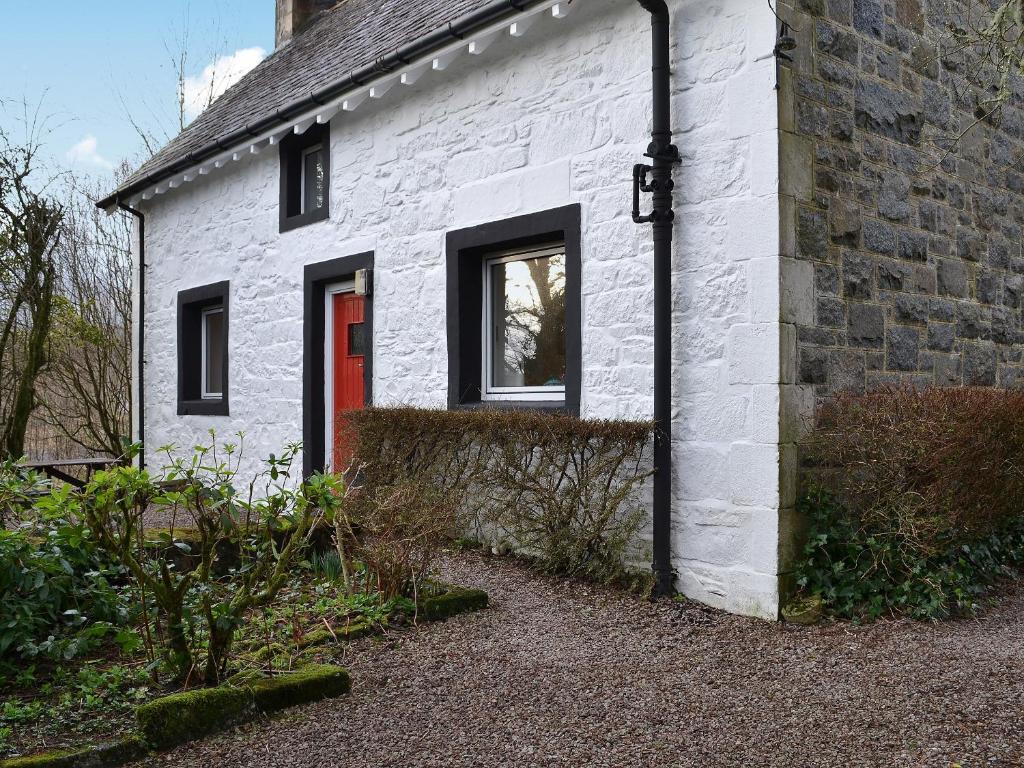
Craig Lora
Craig Lora is a charming self-catering cottage set in a picturesque location near the loch. With a cozy and well-equipped interior, it offers a relaxing retreat for couples, families, or small groups looking to enjoy the tranquility of the Highlands. Welcome to Craig Lora.
Show More
Am Bruadar
Am Bruadar is a beautifully designed holiday home, perfect for a serene getaway near Loch Awe. With modern amenities and stunning views of the surrounding landscapes, it provides a comfortable and scenic escape for those looking to experience the natural beauty of the area.
Show More
Sunset View Shepherds Hut
Sunset View Shepherds Hut is a unique and intimate accommodation option, offering a rustic yet cozy stay with breathtaking sunset views over the loch. This charming hut provides a perfect blend of adventure and relaxation, ideal for couples or solo travelers seeking a peaceful retreat in nature.
Show More
Ben Cruachan Inn - Restaurant
Ben Cruachan Inn – Restaurant Pub with Rooms combines traditional Highland hospitality with modern comfort. With well-appointed rooms, a welcoming pub, and delicious locally sourced food, it provides a relaxed and enjoyable stay, making it an ideal base for exploring Loch Awe and its breathtaking surroundings.
Show More
Orchy Bank House
Orchy Bank House is a charming holiday retreat near Loch Awe, offering a blend of traditional character and modern comfort. Set in a scenic location, this welcoming accommodation provides a peaceful and relaxing stay, perfect for exploring the natural beauty of the Highlands.
Show More
Bradan Lodge
Bradan Lodge is a stylish and contemporary accommodation, designed for a relaxing getaway in the heart of the Highlands. Featuring modern amenities and beautiful surroundings, it offers a luxurious escape for guests seeking comfort and tranquility near Loch Awe.
Show More
Glenorchy Lodge-Rooms Only
Glenorchy Lodge – Rooms Only offers a comfortable and convenient base for visitors to Loch Awe. With well-appointed rooms and a tranquil setting, it provides a restful retreat for travelers looking to enjoy the stunning landscapes and outdoor activities in the area.
Show More
Wee Highland Hideaway Hut
The Nest Glamping Pod offers a secluded and modern escape surrounded by nature. With compact yet well-equipped interiors, this cozy pod is ideal for couples or solo travelers looking to immerse themselves in the peaceful beauty of the Loch Awe region.
Show More
The Nest Glamping Pod
The Nest Glamping Pod offers a secluded and modern escape surrounded by nature. With compact yet well-equipped interiors, this cozy pod is ideal for couples or solo travelers looking to immerse themselves in the peaceful beauty of the Loch Awe region.
Show More
Esox Cottage
Esox Cottage is a delightful holiday home with a scenic location, offering a warm and inviting atmosphere. With its comfortable interiors and close proximity to the loch, it provides a perfect base for a relaxing and memorable Highland getaway.
Show More
Wee Highland Hideaway Hut
Wee Highland Hideaway Hut is a cozy and secluded retreat, perfect for those looking to escape into nature near Loch Awe. This charming hut offers a rustic yet comfortable stay, ideal for couples or solo travelers seeking a peaceful getaway surrounded by stunning Highland scenery.
Show More
New Build Lodge
New Build Lodge – Stunning Views of Loch Awe lives up to its name, offering a modern and stylish stay with breathtaking panoramic views of the loch. With contemporary furnishings and all the comforts of home, this lodge provides a luxurious escape in a tranquil setting.
Show More
Cladich House Bed & Breakfast
Cladich House Bed & Breakfast is a welcoming and elegant accommodation, offering comfortable rooms and a warm Highland hospitality experience. Nestled in a picturesque location, it serves as an excellent base for exploring the Loch Awe area while enjoying a hearty breakfast.
Show More
Blarghour Farm Cottages
Blarghour Farm Cottages combine traditional charm with modern comfort, offering well-equipped accommodation in a peaceful Highland setting. Perfect for families, couples, or solo travelers, these cottages provide a relaxing stay with breathtaking views and a true sense of escape into nature.
Show More
Burnside House
Burnside House is a spacious and beautifully designed holiday home, offering a relaxing retreat near Loch Awe. With modern amenities, cozy interiors, and stunning views of the surrounding landscapes, it provides a perfect getaway for families or groups looking to unwind in a scenic setting.
Show More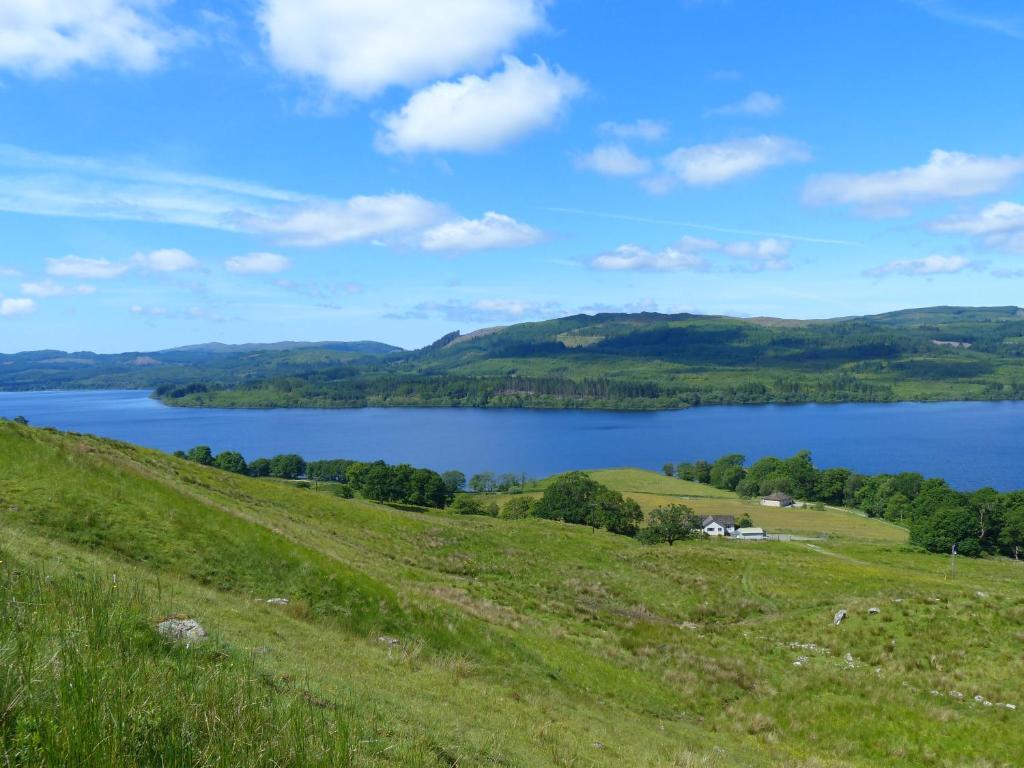
Blarghour Farm Cottages
Blarghour Farm Cottages Overlooking Loch Awe offer a collection of charming self-catering cottages set within a working farm. With stunning views over the loch, these cottages provide a tranquil escape for visitors seeking a rural retreat with access to walking trails and wildlife spotting.
Show More
Argyll holiday cottage Loch Awe
Argyll Holiday Cottage Loch Awe is a charming and well-equipped retreat, offering a cozy and comfortable stay near the loch. Surrounded by breathtaking Highland scenery, this traditional cottage provides a peaceful escape with easy access to outdoor activities such as hiking, fishing, and wildlife spotting.
Show More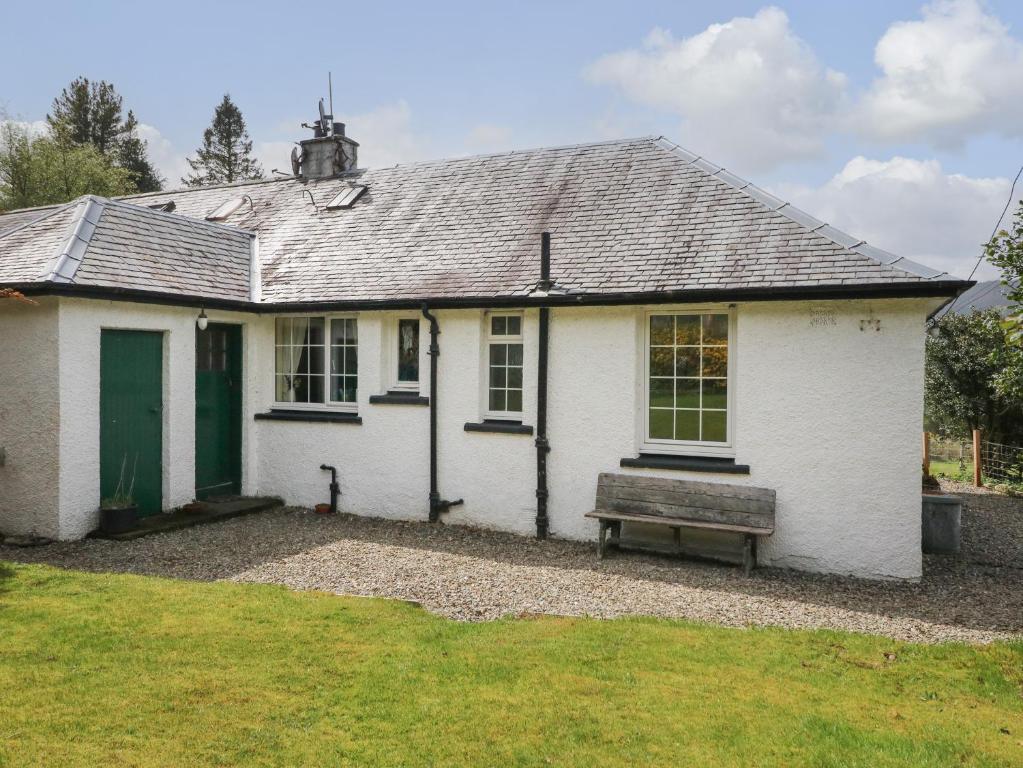
Drover's Way
Drover’s Way is a welcoming holiday home set in a tranquil location near Loch Awe. With spacious interiors and modern amenities, it is ideal for families or groups looking to enjoy the beauty of the Scottish Highlands while staying in a comfortable and scenic setting.
Show More
Sobrachan
Sobrachan is a stunning countryside retreat, offering a luxurious and secluded getaway near Loch Awe. Featuring high-end furnishings, breathtaking views, and a serene atmosphere, this beautiful accommodation provides the perfect base for those looking to relax.
Show More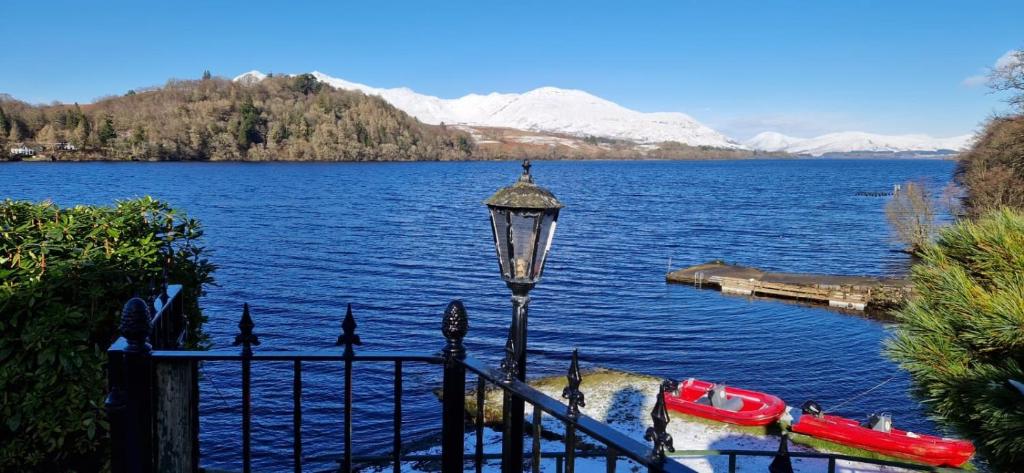
Portsonachan Hotel And Lodges
Portsonachan Hotel and Lodges offers a range of accommodations, from comfortable hotel rooms to self-catering lodges and apartments. Situated right by the water, it’s ideal for fishing, boating, and outdoor adventures while enjoying modern comforts in a peaceful setting. With its mix of traditional charm, luxury, and scenic beauty, Loch Awe’s hotels and lodges provide an unforgettable stay in one of Scotland’s most picturesque locations.
Show MoreSt. Conan's Kirk is a remarkable architectural gem located in the village of Lochawe, near the shores of Loch Awe in Scotland. This unique church stands as a testament to the vision and creativity of its architect, Walter Douglas Campbell. Here's a description of St. Conan's Kirk:
Eclectic Architecture: St. Conan's Kirk is known for its eclectic architectural style, incorporating a blend of various architectural elements and influences. The design draws inspiration from a range of historical periods and architectural traditions, resulting in a visually captivating and unconventional structure.
Medieval Inspiration: The exterior of St. Conan's Kirk evokes a medieval ambiance, with its imposing stone walls, battlements, turrets, and gargoyles. The use of stone and the incorporation of fortress-like elements contribute to a sense of grandeur and historical authenticity.
Interior Grandeur: Inside the church, visitors are treated to a richly decorated interior that further reflects the architectural diversity. The interior features elements from Gothic, Romanesque, and Arts and Crafts styles. The high ceilings, ornate woodwork, and stained glass windows contribute to the sense of grandeur within the space.
Unique Features: St. Conan's Kirk is characterized by its unconventional and imaginative architectural features. Notable elements include a leaning tower, a bridge leading to a balcony with panoramic views, and intricate stone carvings that pay homage to Scotland's history and legends.
Incorporation of Local Materials: The building's construction relied heavily on local materials, such as stone from nearby quarries. This integration with the local landscape gives the church a sense of belonging and a connection to its surroundings.
Innovative Vision: Walter Douglas Campbell, the architect behind St. Conan's Kirk, demonstrated an innovative and creative approach to architecture. His vision of blending different architectural styles to create a harmonious and unique structure has resulted in a church that stands as a testament to his artistic ingenuity.
Historical Significance: While St. Conan's Kirk is not an ancient church, its design and construction in the early 20th century reflect the reverence for Scotland's history and cultural heritage. The church's presence on the shores of Loch Awe adds to its sense of historical and geographical significance.
Spectacular Setting: The church's location near Loch Awe provides a stunning backdrop for its architecture. The tranquil waters of the loch, the surrounding hills, and the lush landscape all contribute to the beauty of the site.
Visitor Experience: St. Conan's Kirk is open to visitors who can explore its interior and exterior, appreciate its architectural details, and enjoy the scenic views from its balcony. Guided tours and informational displays provide insights into the history and architecture of the church.
St. Conan's Kirk stands as an artistic masterpiece that showcases the power of architectural imagination. Its ability to seamlessly blend various styles and influences while paying homage to Scotland's cultural heritage makes it a captivating destination for architecture enthusiasts, history buffs, and anyone seeking to appreciate the beauty of creative design.
Top Image By By James Hearton